
EARLY WARNING SYSTEMS - Communities celebrate flood resilience skills in Nsanje
In Nsanje, one of the most flood-prone areas, communities have become increasingly vigilant after acquiring early warning skills through the use of water measuring equipment, enhancing safety measures
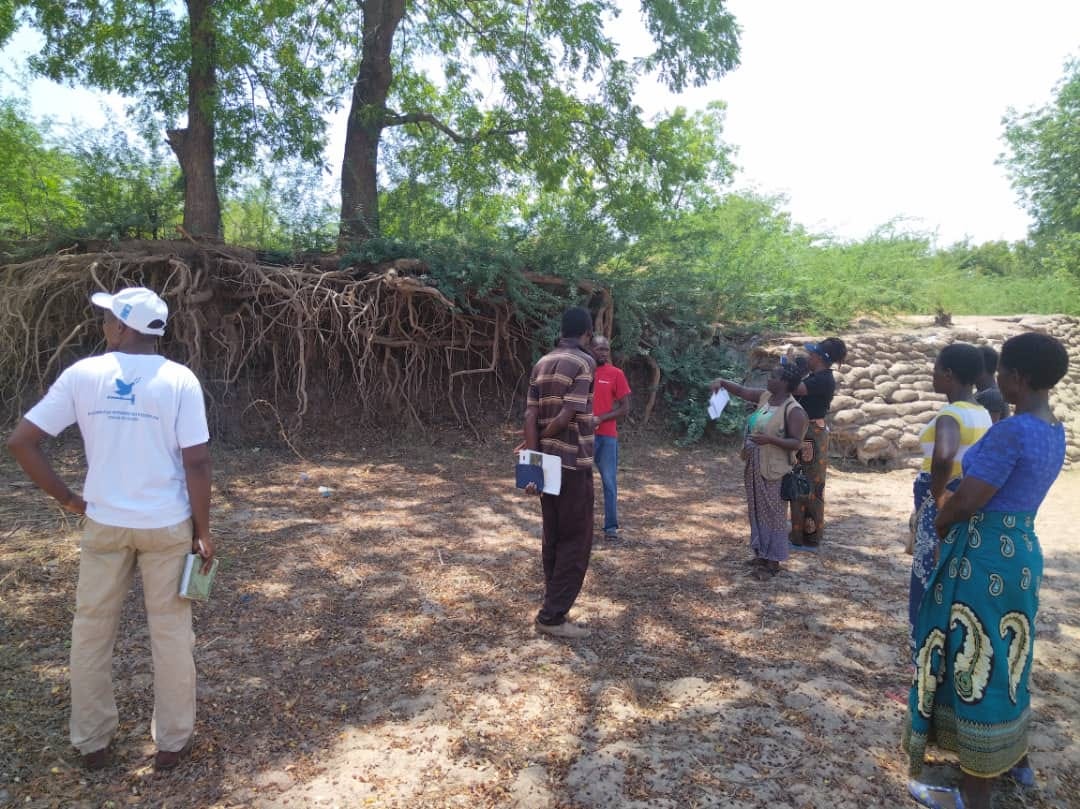
NSANJE, Malawi (Planet Defence) - Communities in Nsanje district are praising a project focused on building flood resilience skills, recognizing the critical importance of being prepared to mitigate the adverse impacts of floods on lives and property writes Fostina Kamanga.
During a media tour organized by Concern Worldwide to showcase the achievements of the Zurich Flood Resilience Alliance Project (ZFRA), Group Village Headman (GVH) Nyathando emphasized how communities have become more vigilant after receiving early warning skills through the use of water measuring equipment.
GVH Nyathando highlighted that compared to the past, communities are now proactive in protecting themselves from floods. Village Disaster Risk Management Committees (VDRMCs) have been strengthened and provided with essential tools such as torches, reflectors, and gumboots.
"During rains, and mindful of our flood-prone areas, Village Civil Protection Committees (VCPCs) have been equipped with supervision equipment for rivers surrounding our villages. They have also been provided with raincoats for community patrols and, in case of possible flooding, to evacuate families to safer places," he explained.
He noted that megaphones and whistles have become symbols of early warnings, ensuring effective communication during flood threats along the Mbenje river.
Additionally, coordination between VDRMCs, chiefs, and government sectors has significantly improved, thanks to the ZFRA project's emphasis on strengthening community partnerships in flood resilience.
GVH Mbenje echoed these sentiments, emphasizing how early warning systems like river gauges have enhanced communities' resilience to relocate promptly to safer areas during flood alerts. Despite initial resistance, about 20 households have been convinced to relocate to safer places identified by chiefs.
"Mbenje river has become a death trap annually during the rainy season, meandering towards villages and posing a threat to surrounding communities. We commend the VDRMC for tirelessly providing warning messages to villages about the river's status during the rainy season," he added.
Committee member Alice Save from Mbenje VDRMC mentioned intensified tree planting activities, with 17,000 tree seedlings planted in the 2024/2025 season.
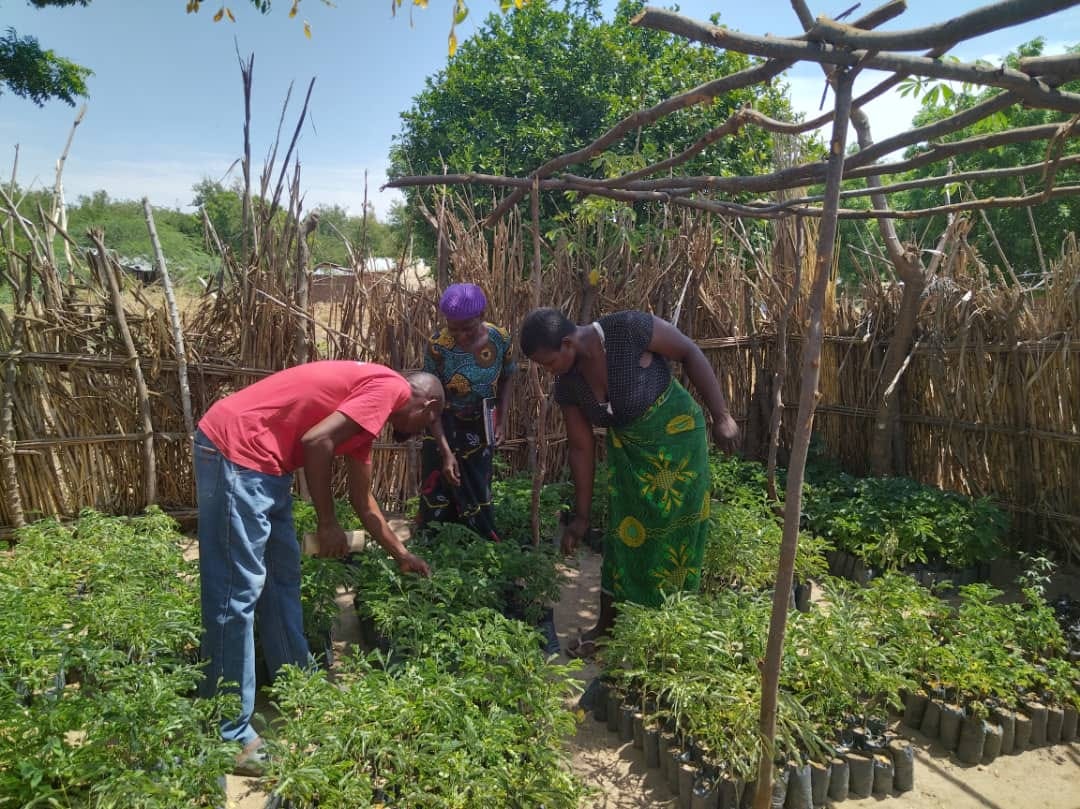
These trees seedlings planted along riverbanks, aim to address siltation and enhance flood resilience. Furthermore, skills in building resilient houses and conducting community sensitization meetings have been imparted to address flood impacts effectively.
Another community member from Nyathando village emphasized the importance of acquiring report writing, proposal writing, and record-keeping skills to manage disaster-related issues effectively. Extension Worker Collins Wallace praised the project for improving technical expertise within village structures, particularly in advocacy and proposal writing.
McDonald Mukasho, Assistant Forestry Officer in Nsanje, commended the project's partnerships with government officials, emphasizing the tailored interventions to suit the district's culture, weather, and geographical terrain.
District Project Manager for Concern Worldwide, Sanama Maganga, reiterated the ZFRA's focus on enhancing community resilience against flood risks. “The project aims to help communities strengthen their resilience and increase investment in flood resilience-building through partnerships across public, private, and third sectors,” he explained.
The Zurich Flood Resilience Alliance project, initially scheduled to phase out in 2023, has been extended for another four years, covering not only Nsanje but also Chikwawa and Lilongwe districts.